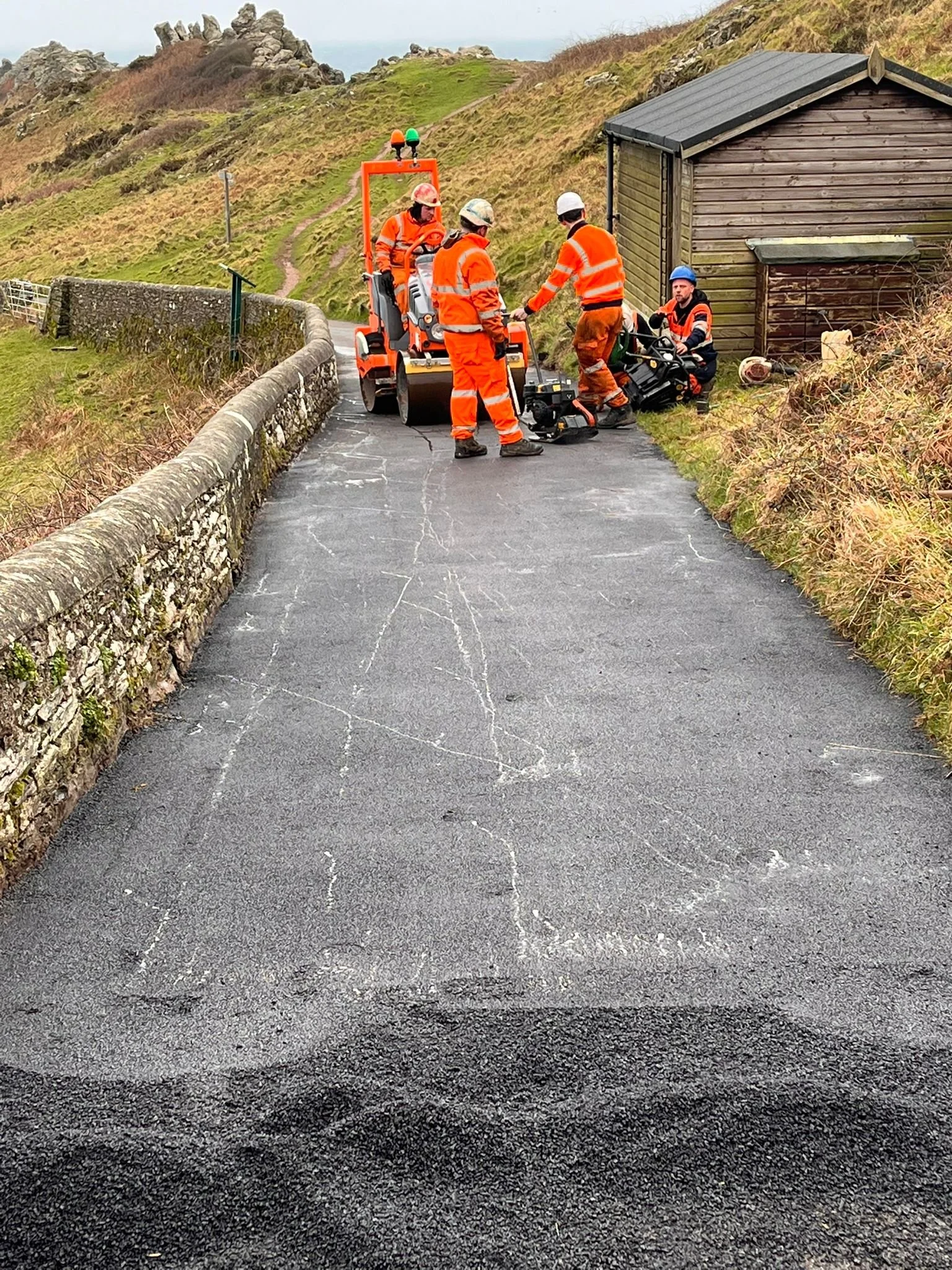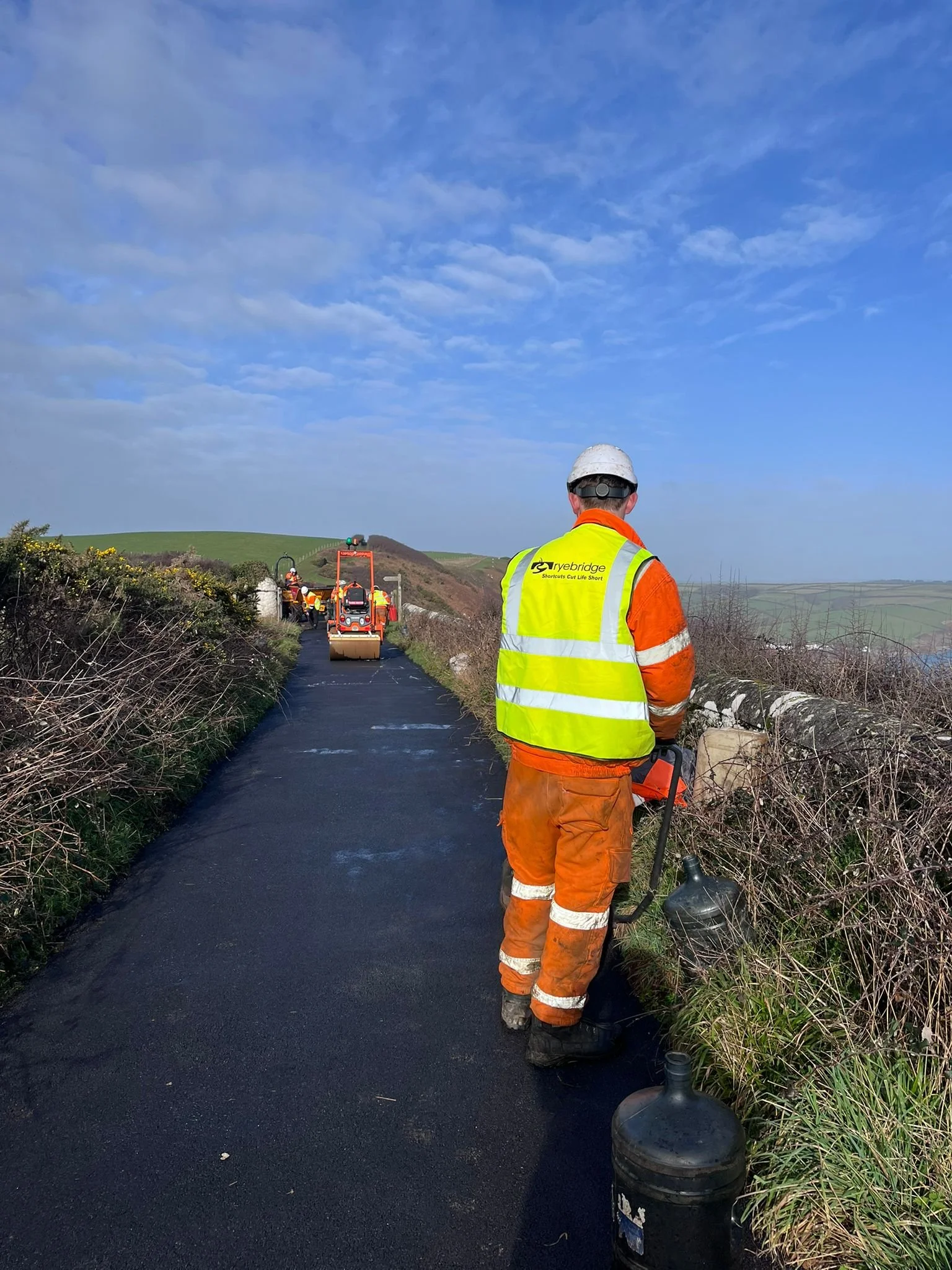
Working on one of the most exposed peninsulas on the English coast is no easy job at the best of times, but add in some of the winter’s most extreme weather and you’ve got a challenge which pushed Ryebridge’s team to their limits.
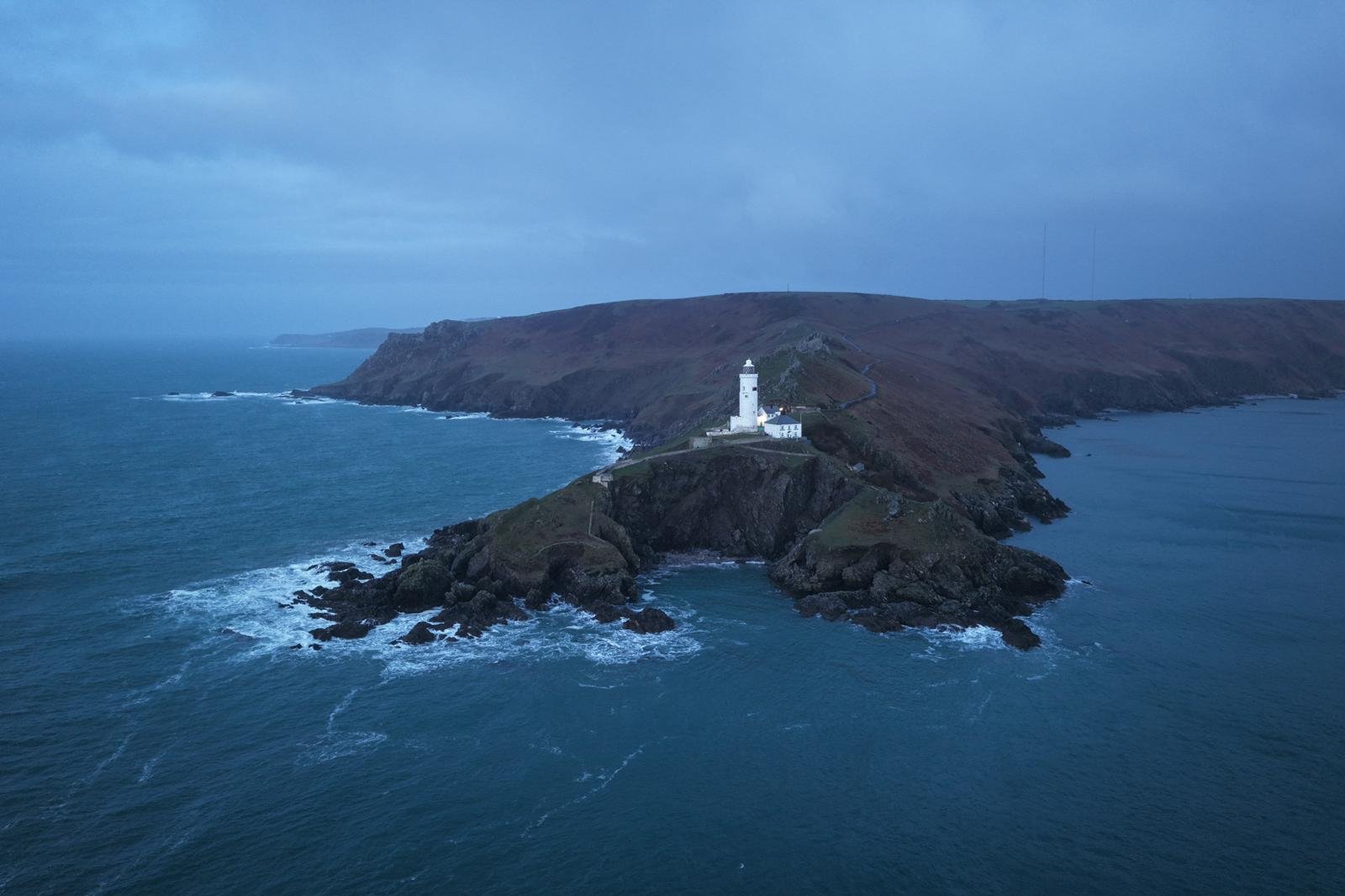
The Grade II listed Start Point Lighthouse runs sharply almost a mile into the sea on the south side of Start Bay between Kingsbridge and Dartmouth.
Built by Trinity House in 1836, it stands at 92ft tall and guides vessels crossing the English Channel, but is no longer manned and is instead operated remotely from Trinity House’s planning centre in Harwich.
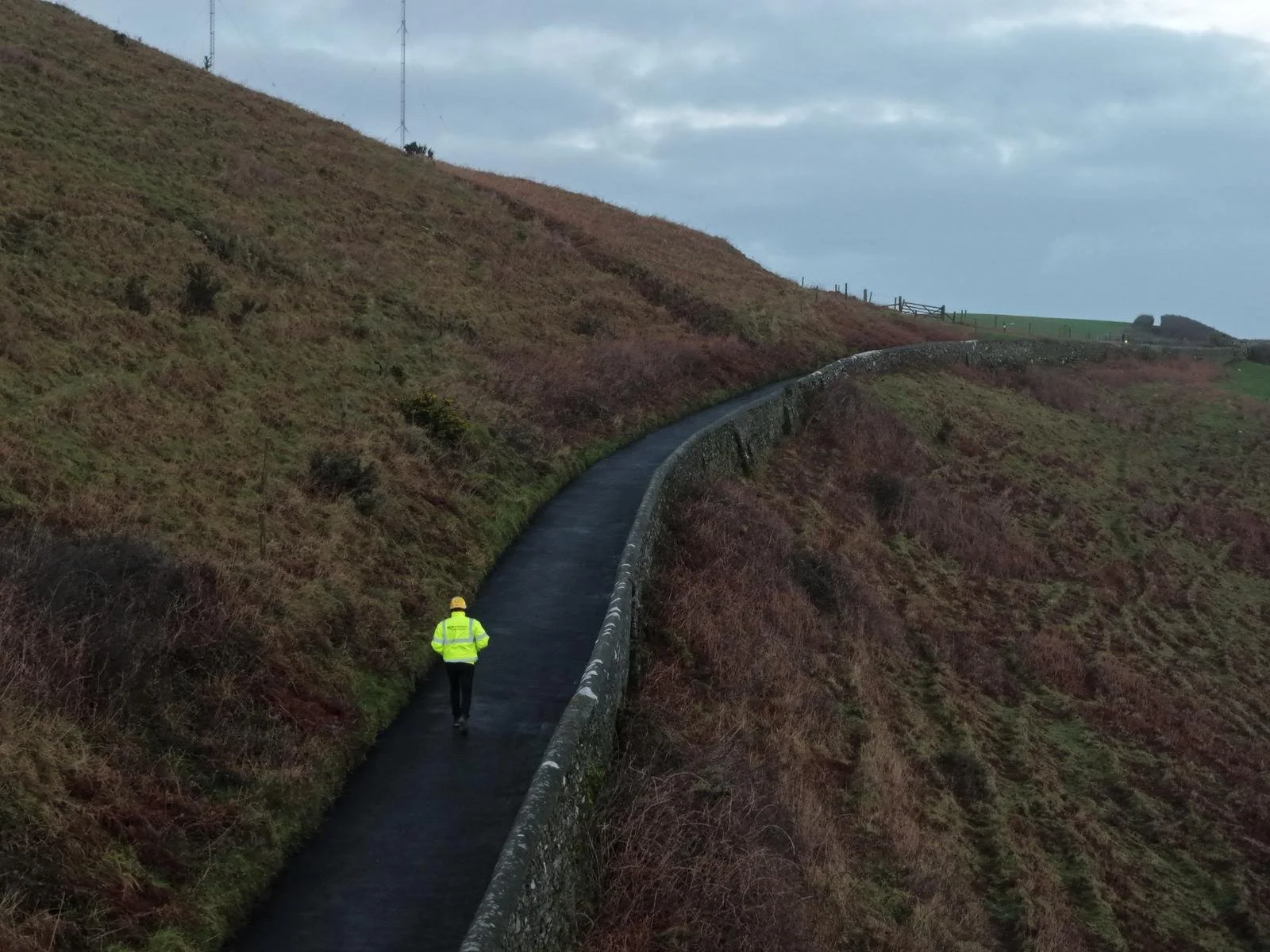
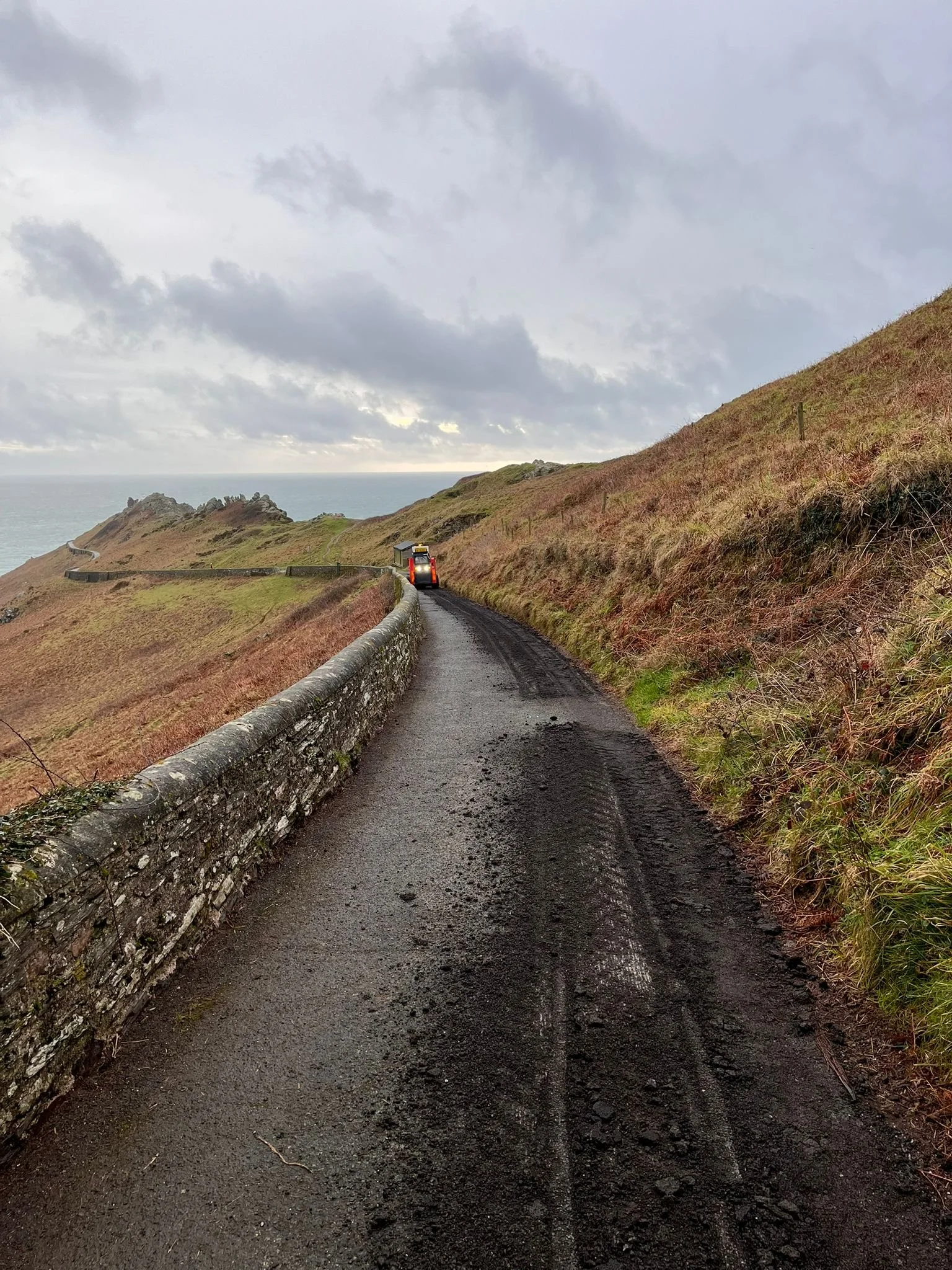
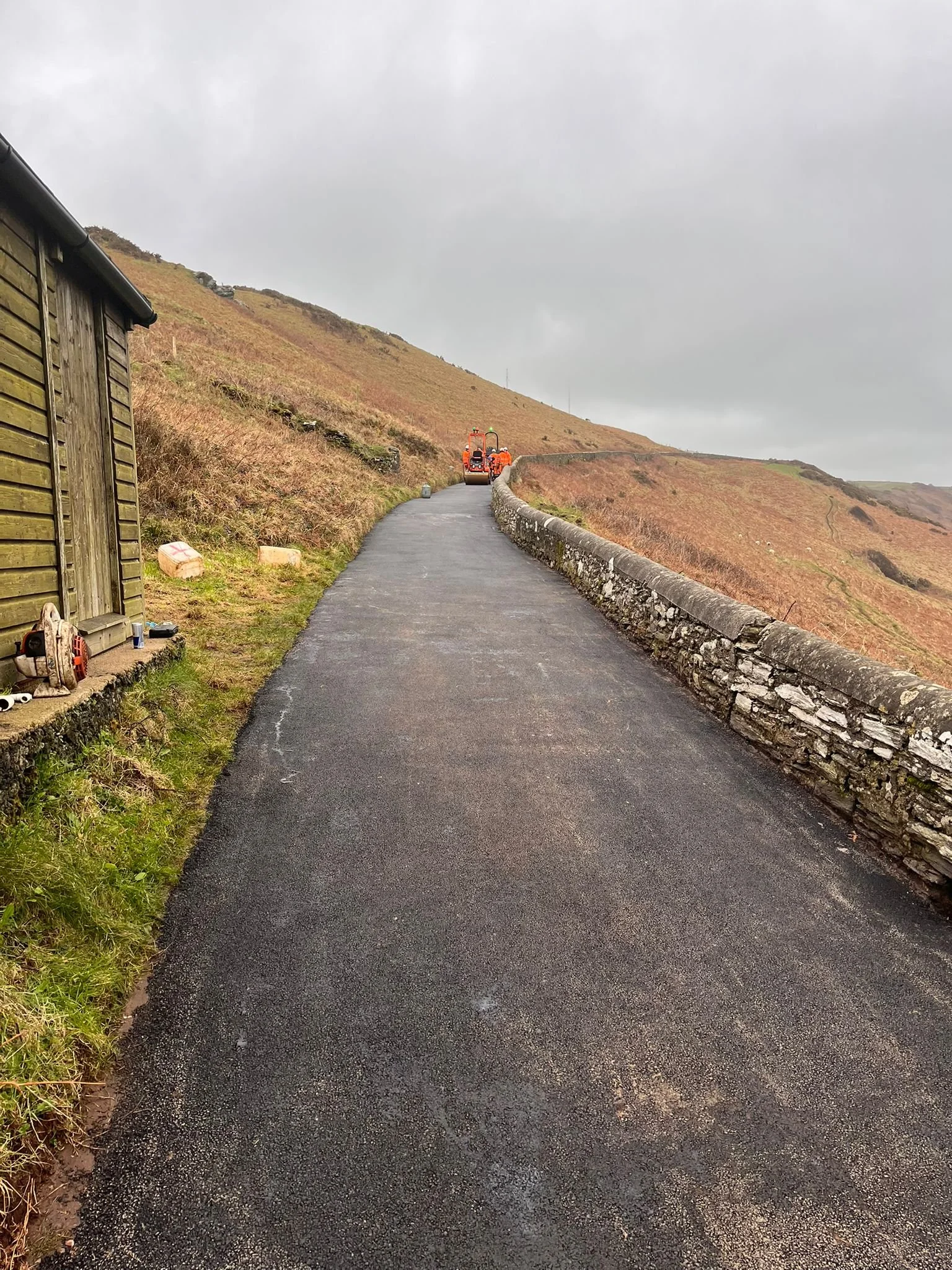
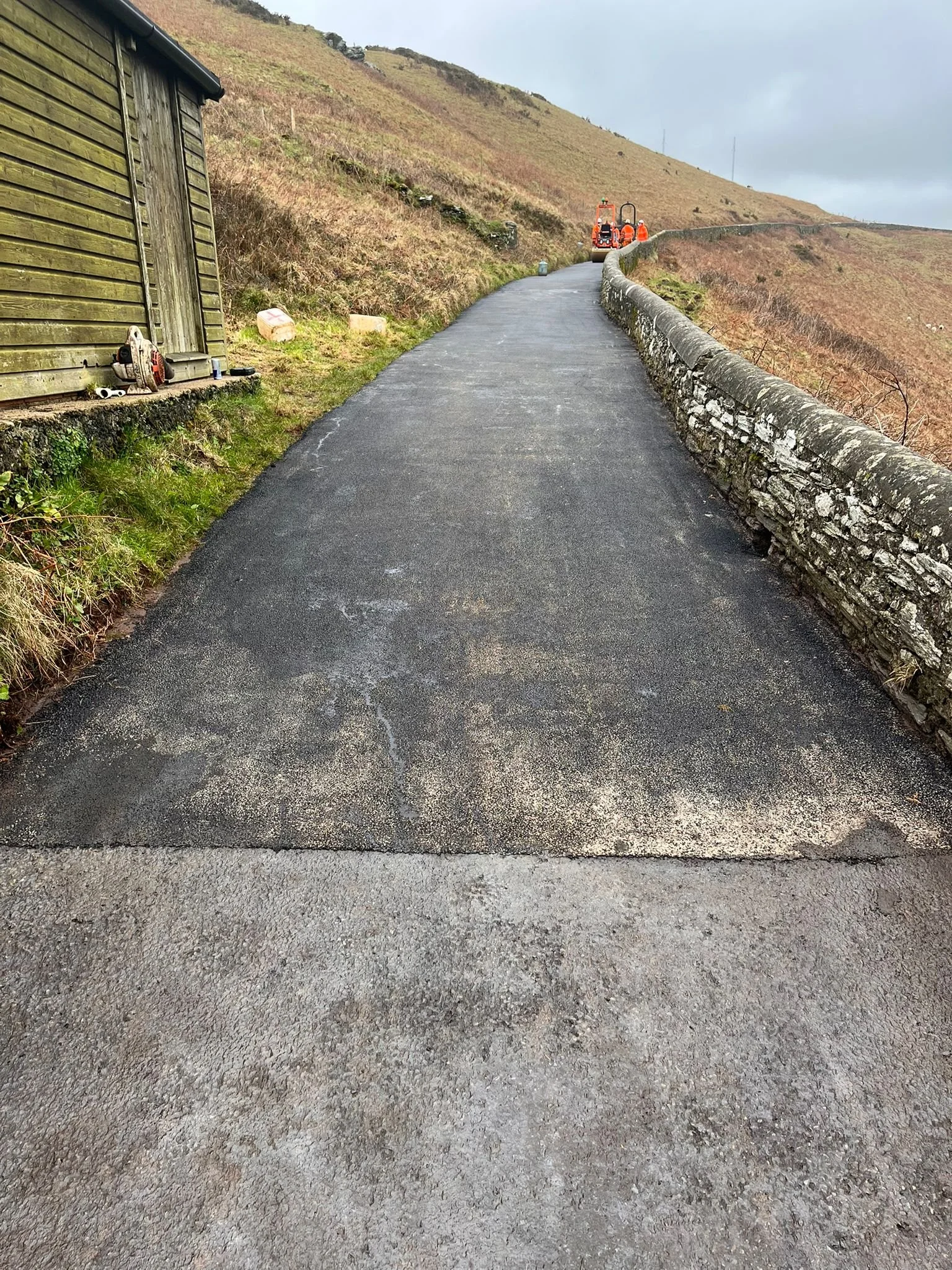
Ryebridge was contracted to carry out remedial work on the upper section of Start Point Road leading from the car park to a water borehole on the cliffs, taking into account the need to protect features of the Site of Specific Scientific Interest and Special Areas of Conservation and obtain permission from relevant authorities.
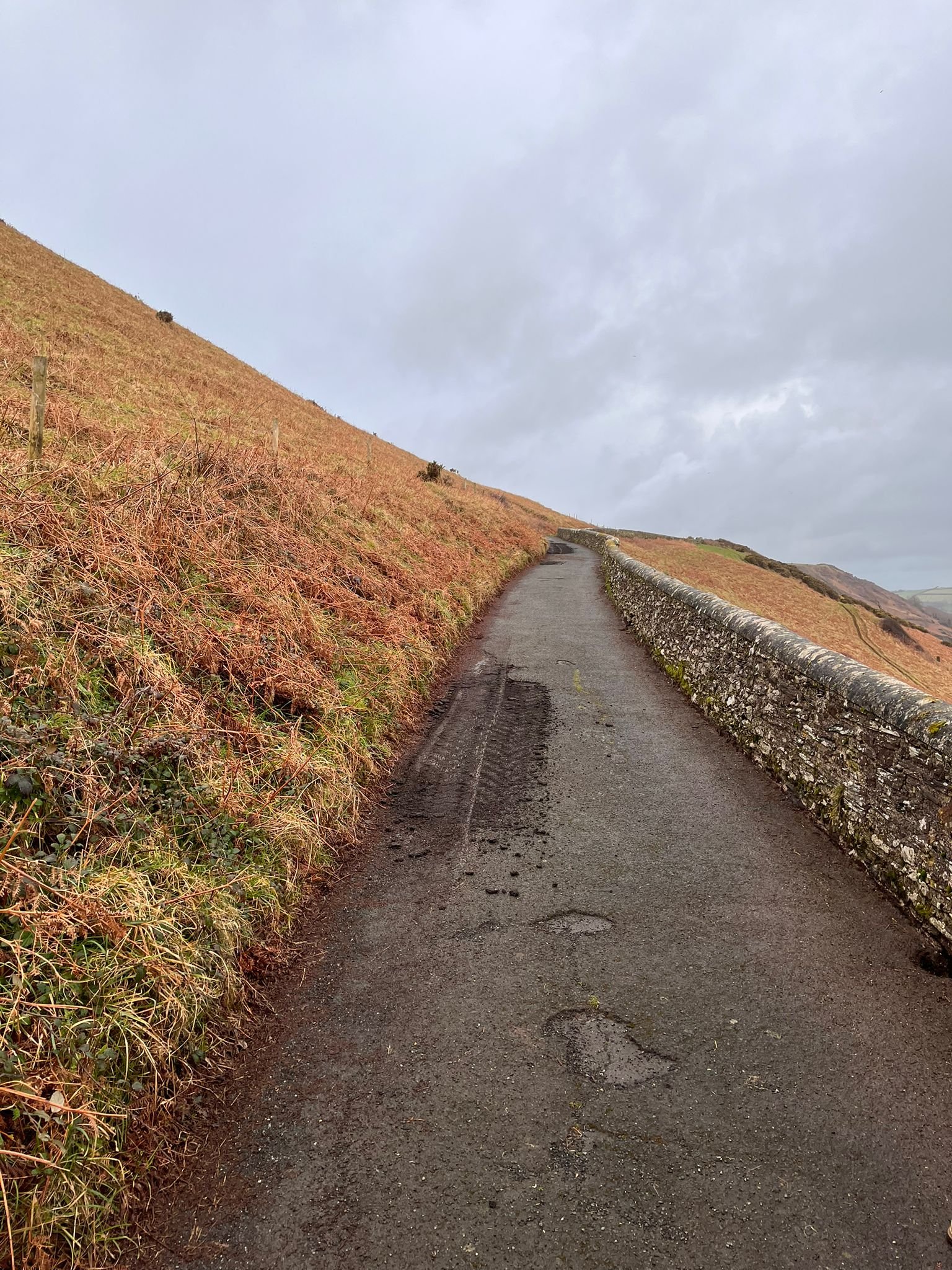
The road was showing signs of significant wear, with numerous potholes and defects, so the works were necessary to ensure continued safe access for both operational personnel and members of the public visiting the lighthouse and nearby cottages.
Ryebridge needed to obtain permission from a neighbouring landowner to use the narrow access track, and also ensure that the lighthouse remained operational throughout the works and access by foot was maintained.
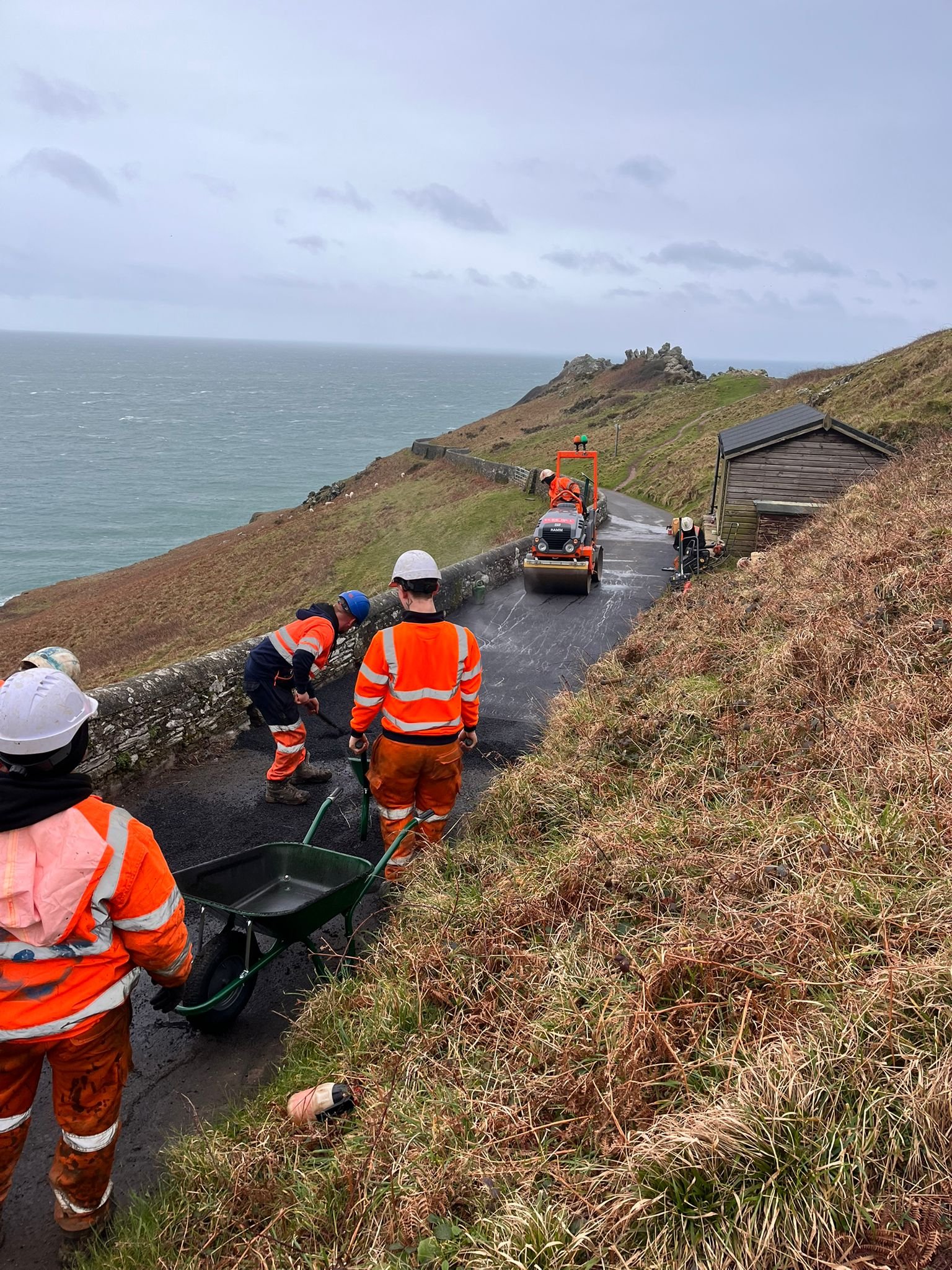
The works involved laying 80 tonnes of SMA 57 PSV asphalt, delivered as part of a zero‑waste process in which all planed material was reused within the lighthouse car park to improve the landowner’s surface conditions.
The team endured torrential rain throughout the three-day duration of the project, which not only affected visibility and working efficiency but also contributed to localised flooding along rural sections of the approach route.
The only access to the lighthouse is via 10 miles of single track roads, meaning that larger delivery vehicles and plant could not safely travel to the site during the works.
As a result, the team was required to use smaller asphalt delivery plant, which significantly slowed down the turn‑round times and required careful sequencing to maintain material temperature and compaction standards despite the wet conditions.
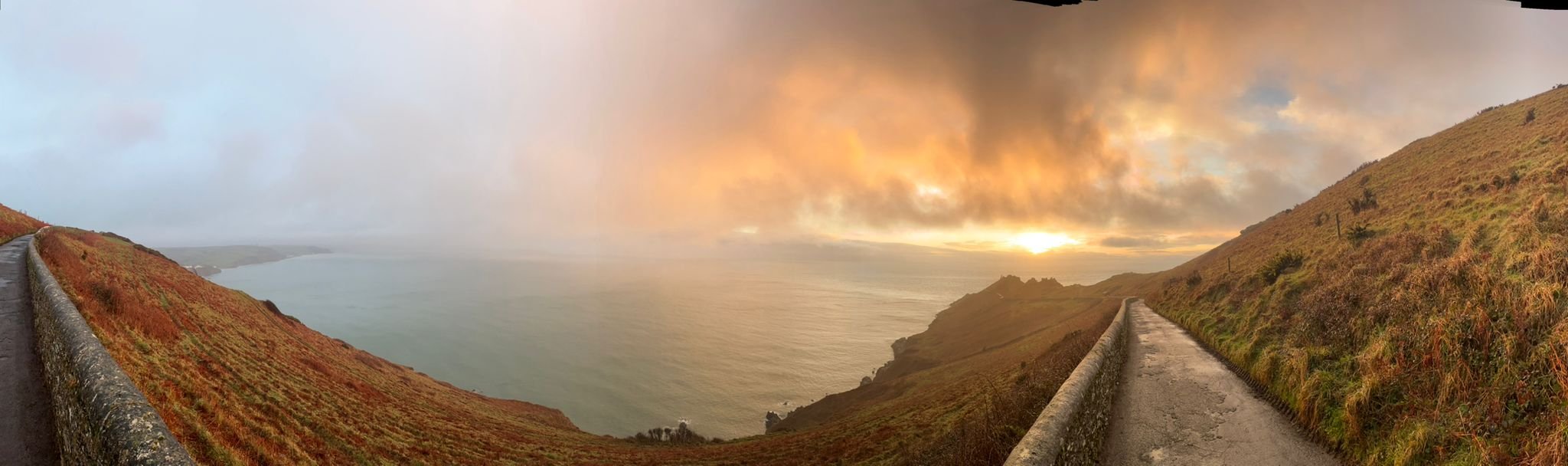
High winds also buffeted the workers when they arrived at the lighthouse car park, although they had some small relief by the resurfacing actually taking place in behind the lee of a hill.
Ryebridge managing director Sean Scully said: “The combination of severe weather, poor ground conditions, restricted access, and the remote coastal environment made this an operationally challenging project - one that strongly reflects Ryebridge Construction’s proven expertise in delivering complex works in difficult‑to‑reach locations and under demanding circumstances.
“Despite these challenges, the works were delivered safely, to a high quality, and in accordance with the requirements of the client, supporting the ongoing operational needs of Start Point Lighthouse and its associated facilities.”