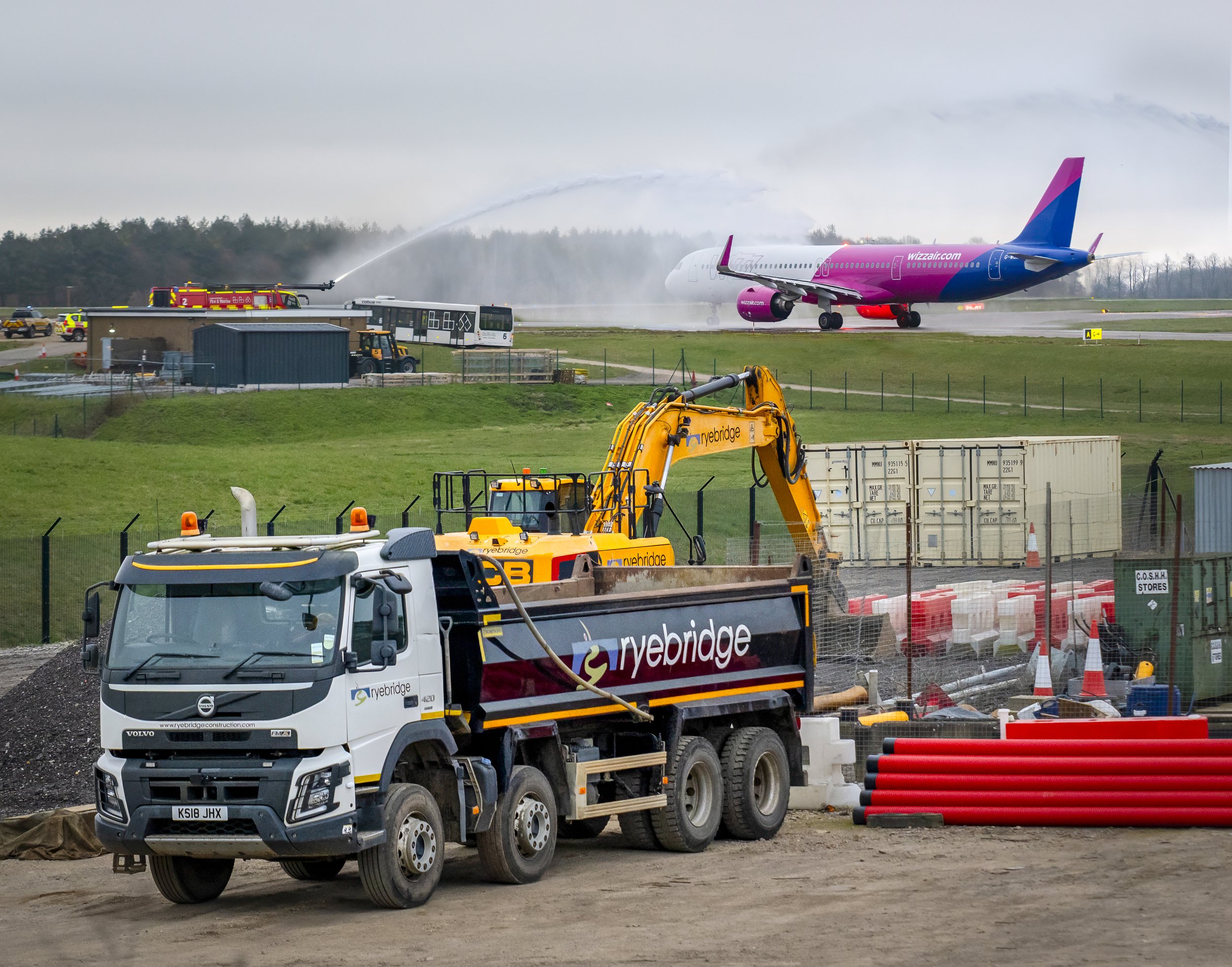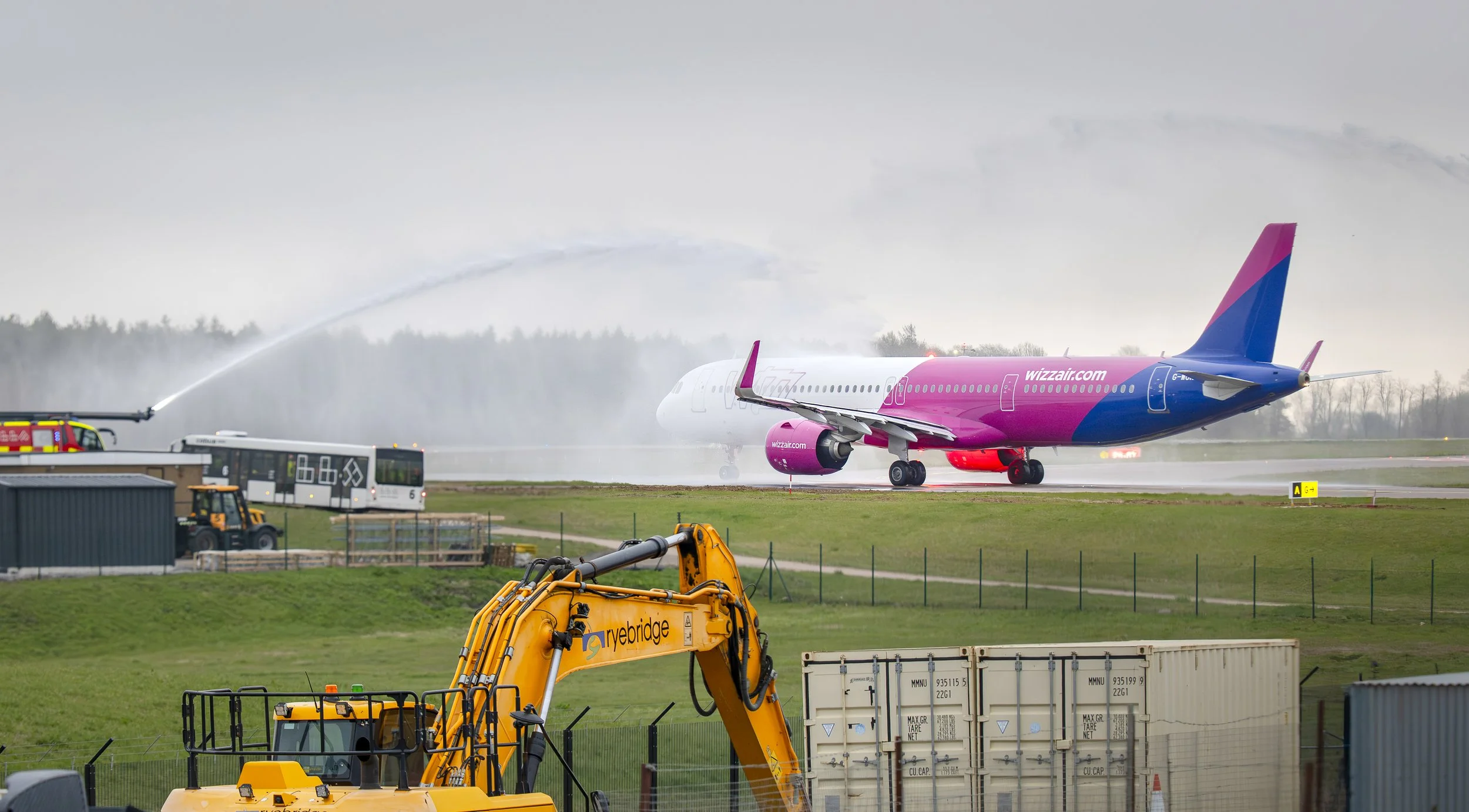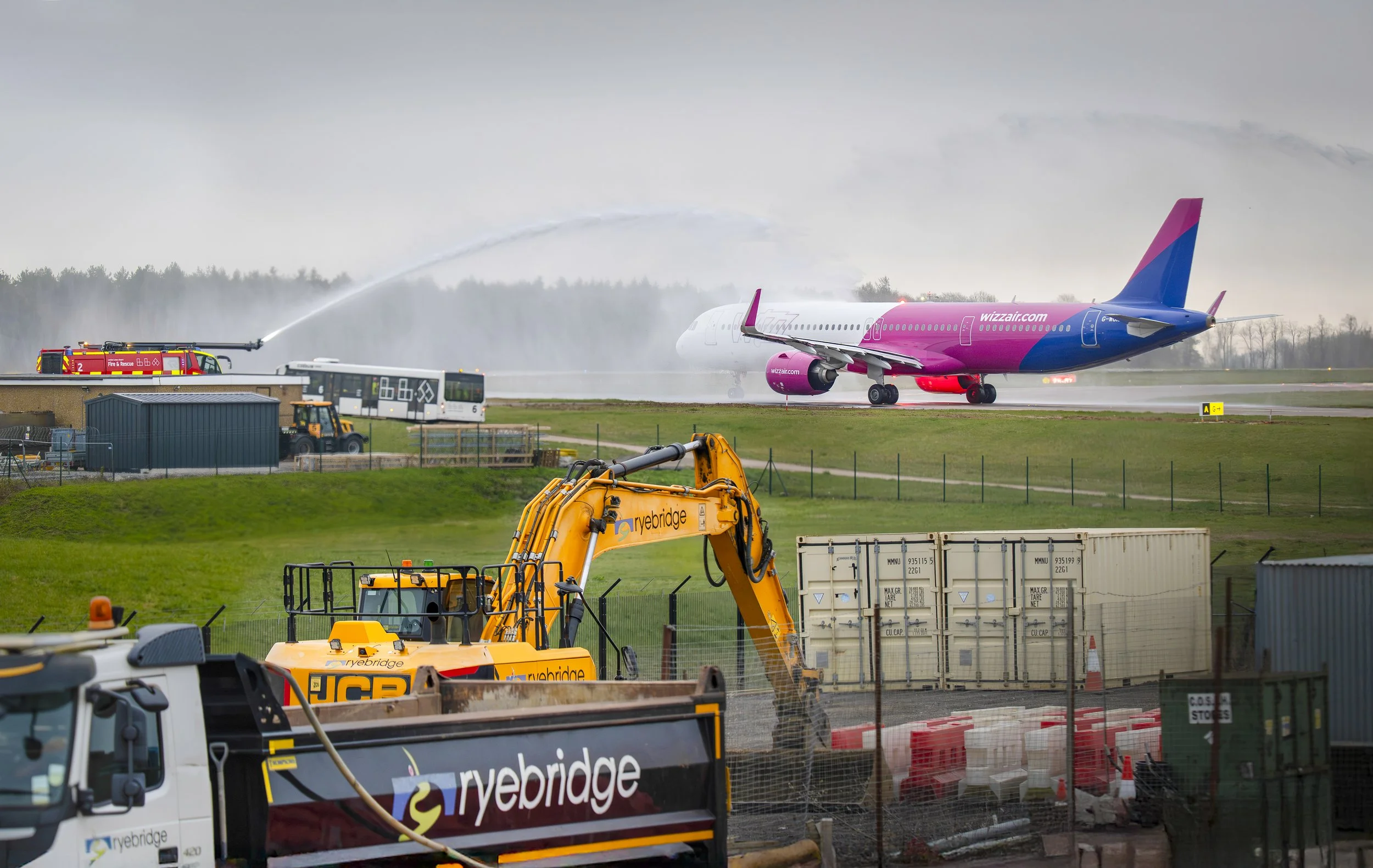
Ryebridge has completed a major project to design and build an extension for Taxiway Alpha at London Luton Airport.
The extension is designed to optimise runway usage, allowing air traffic control to better sequence aircraft and improve traffic flow and airport capacity, thereby enhancing overall efficiency.
The two-year project involved more than 2,000 movements airside across concrete, materials and operatives, and the ability to manage this operation was crucial to its success.
Ryebridge was able to draw on more than 16 years’ experience and knowledge working in a live airside environment, often during difficult winter weather conditions, to complete the project without any disruption to airport operations.
One of the primary challenges on the project was delivering works in close proximity to the runway. This required maintaining a continuous lookout near the Instrument Landing System (ILS) and strict adherence to airside safety protocols and operational constraints.
During suitable weather conditions, the ILS could be temporarily deactivated to facilitate works; however, no activities were permitted while the ILS remained operational.
To meet programme requirements, works were strategically divided based on operational constraints.
Activities up to the ILS line - approximately 75m from the runway centreline - were undertaken under a controlled lookout system, ensuring safety while the airfield remained live.
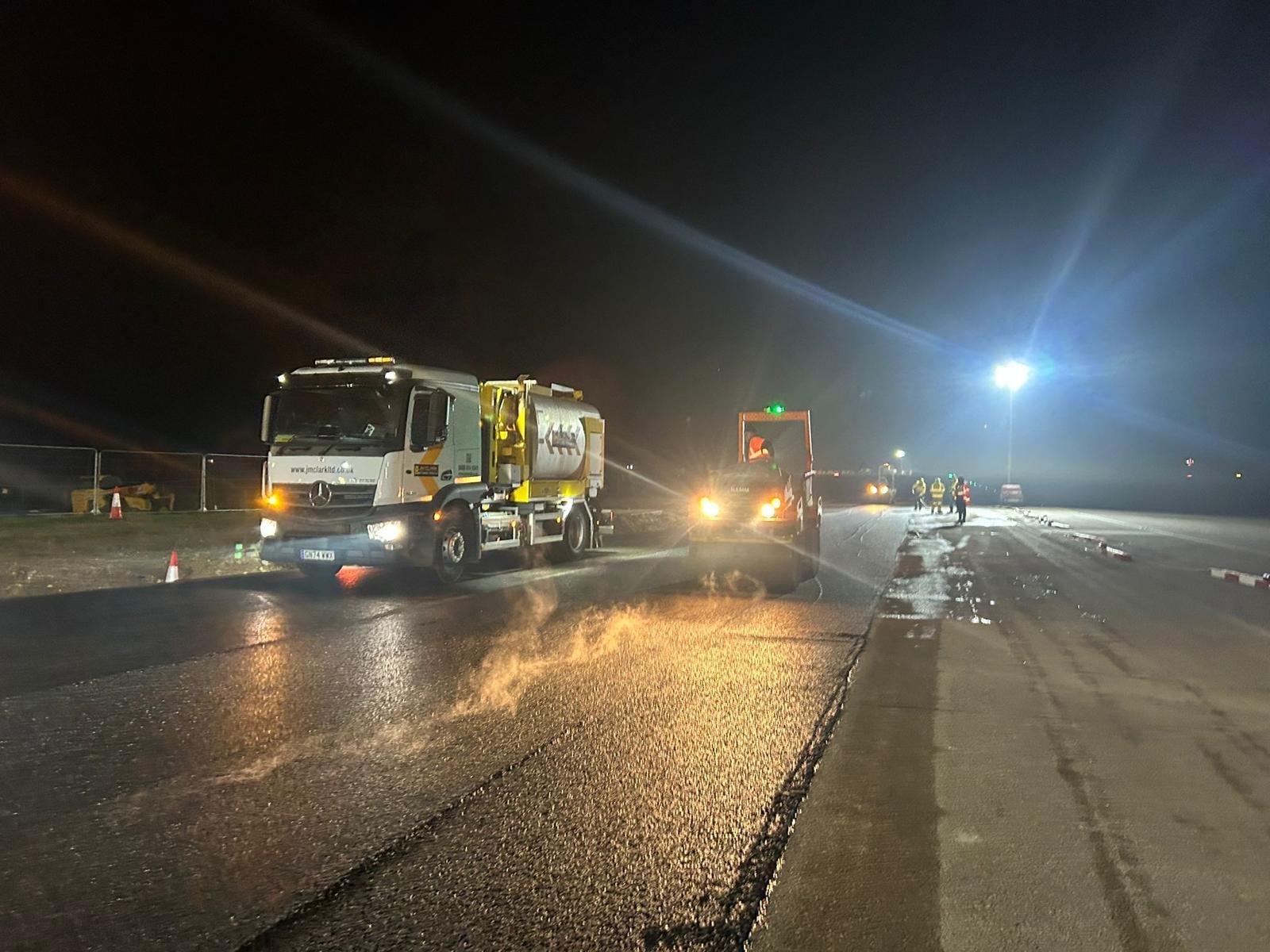
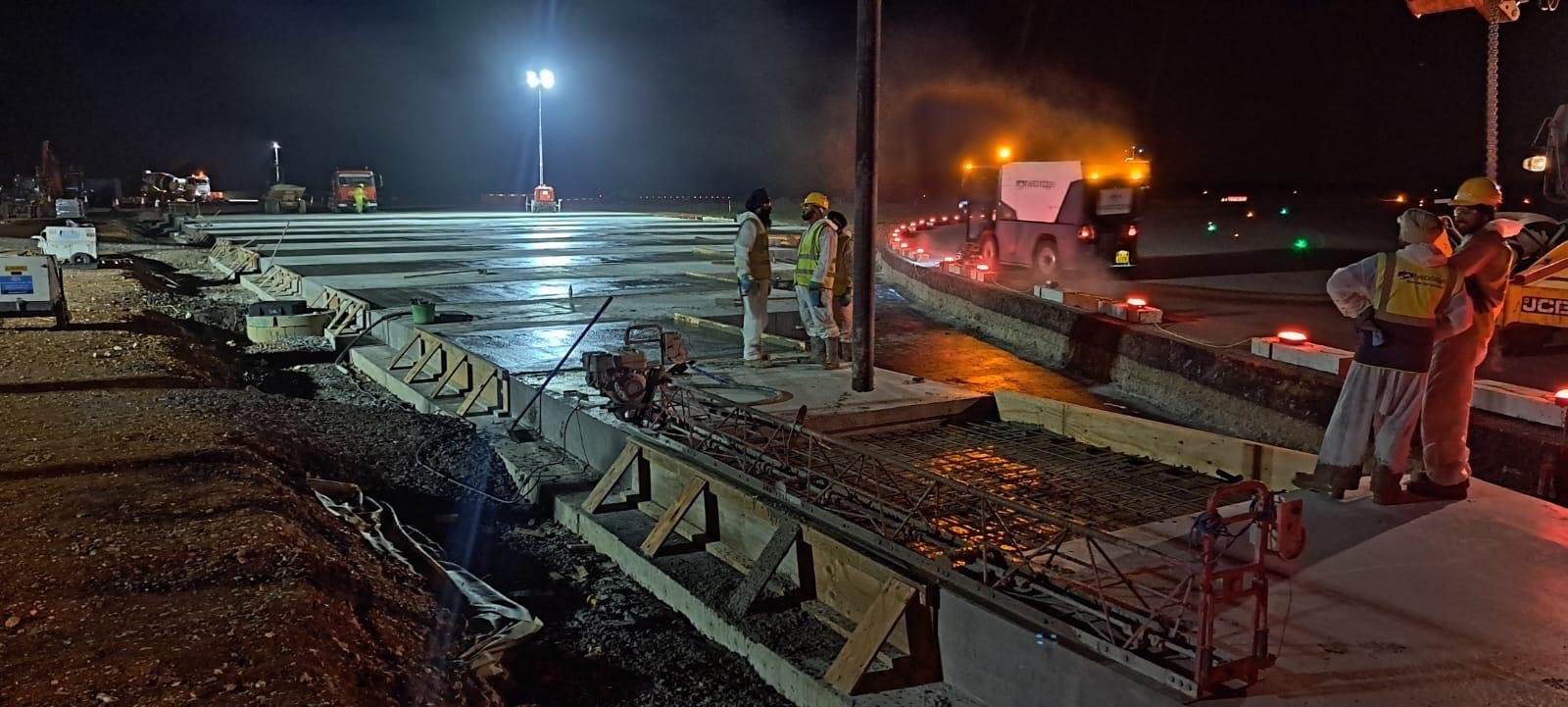
Beyond this interface, from the ILS line through to the runway tie-in, all works were carried out during planned runway closures.
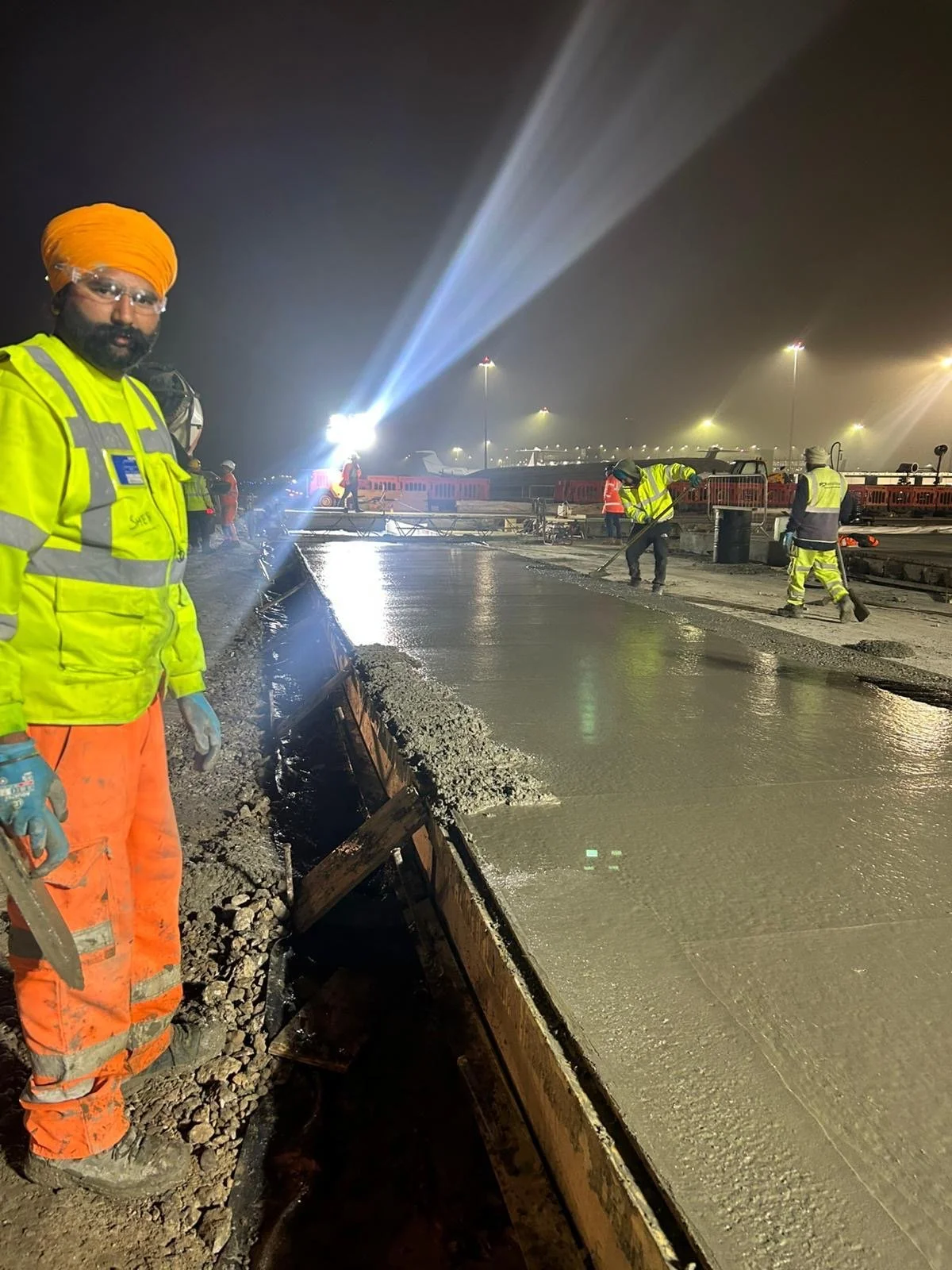
The scheduled runway possession for Taxiway Alpha works took place between 00:00 and 05:00 hours, and was operated in full coordination with Air Traffic Control and airfield operations.
This highly constrained working window required detailed task sequencing, efficient plant deployment, and robust resource planning to maximise productivity, while ensuring full compliance with airside safety and operational requirements.
All activities - including surfacing, tie-ins, quality inspections, and site clearance - were complete within the allocated possession, ensuring timely handback of the runway in a safe and operational condition ahead of the first scheduled movement at 05:45.
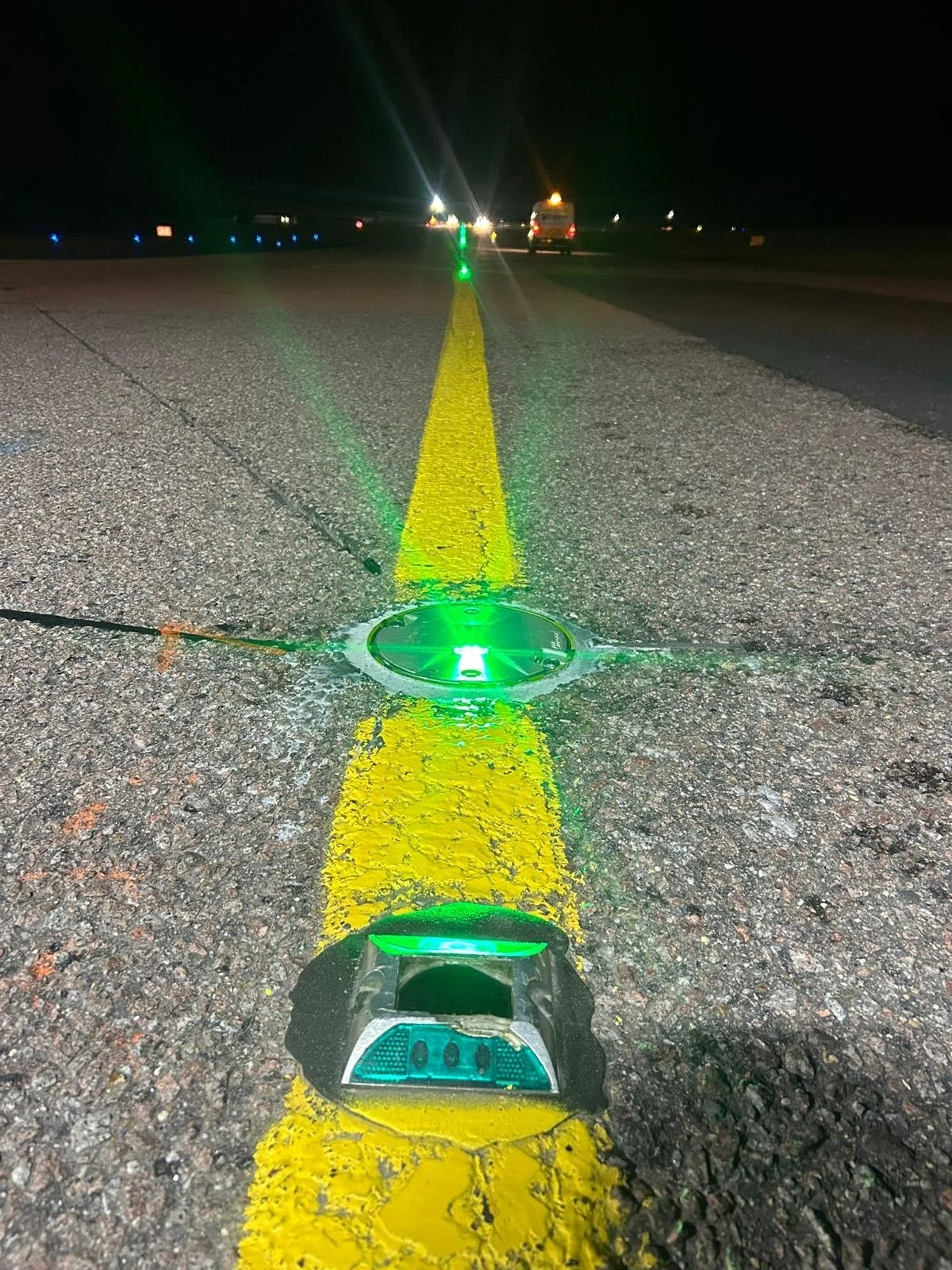
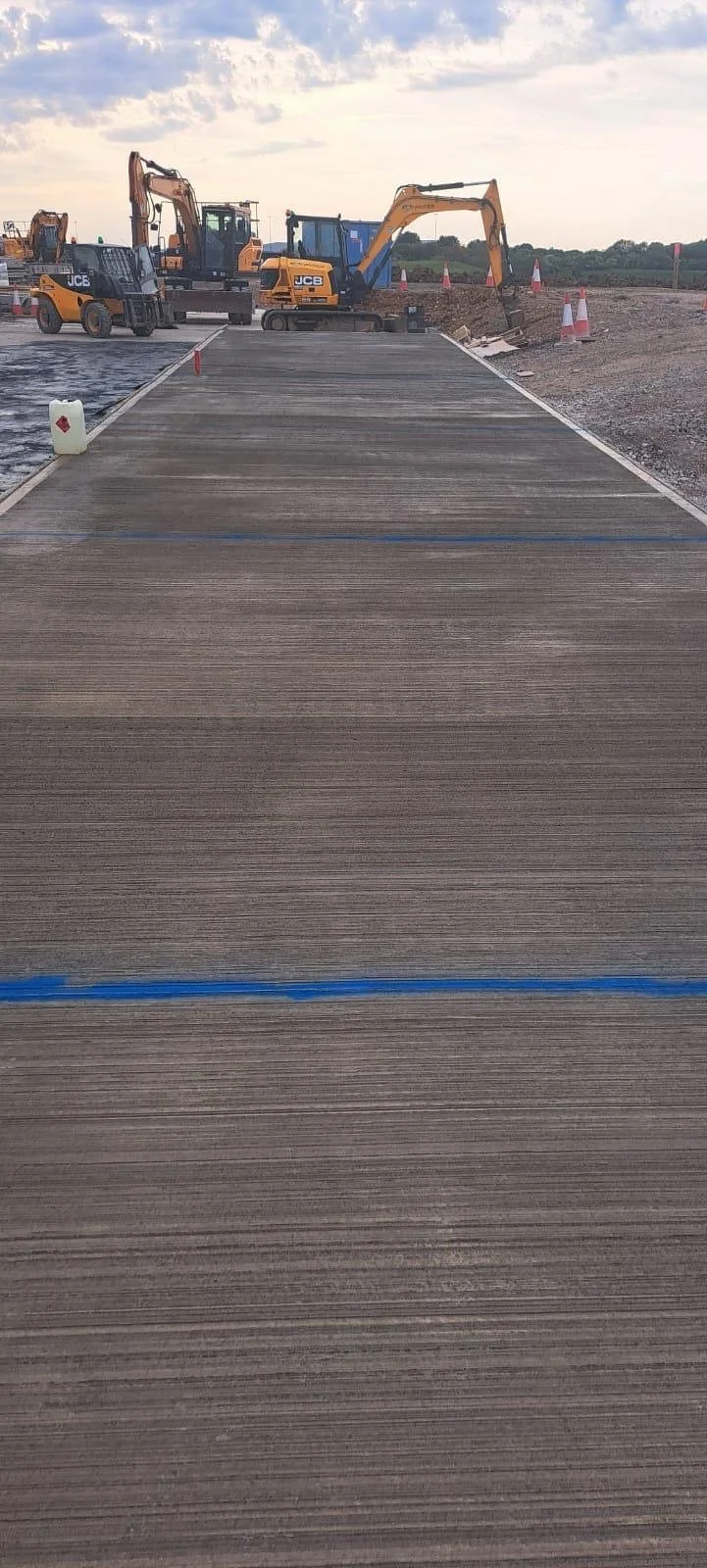
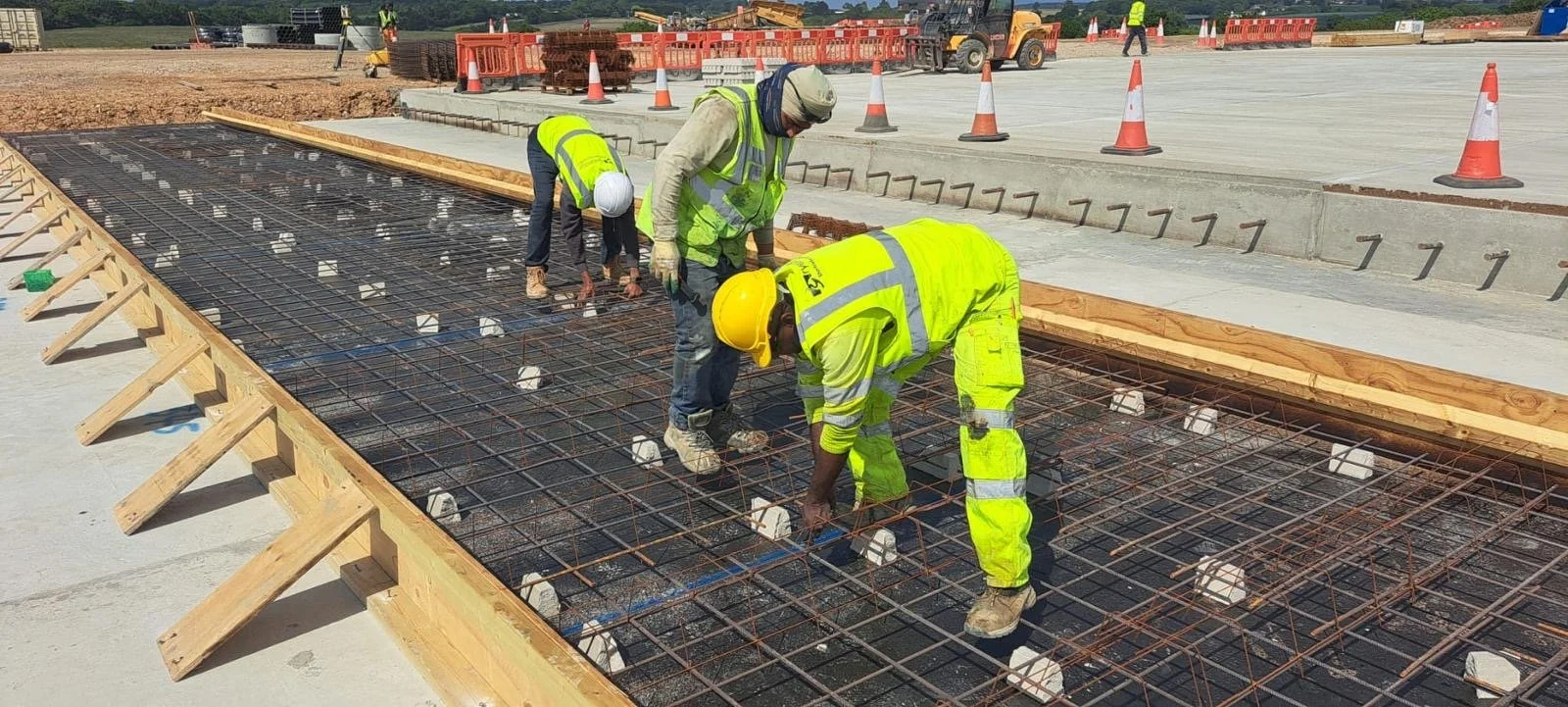
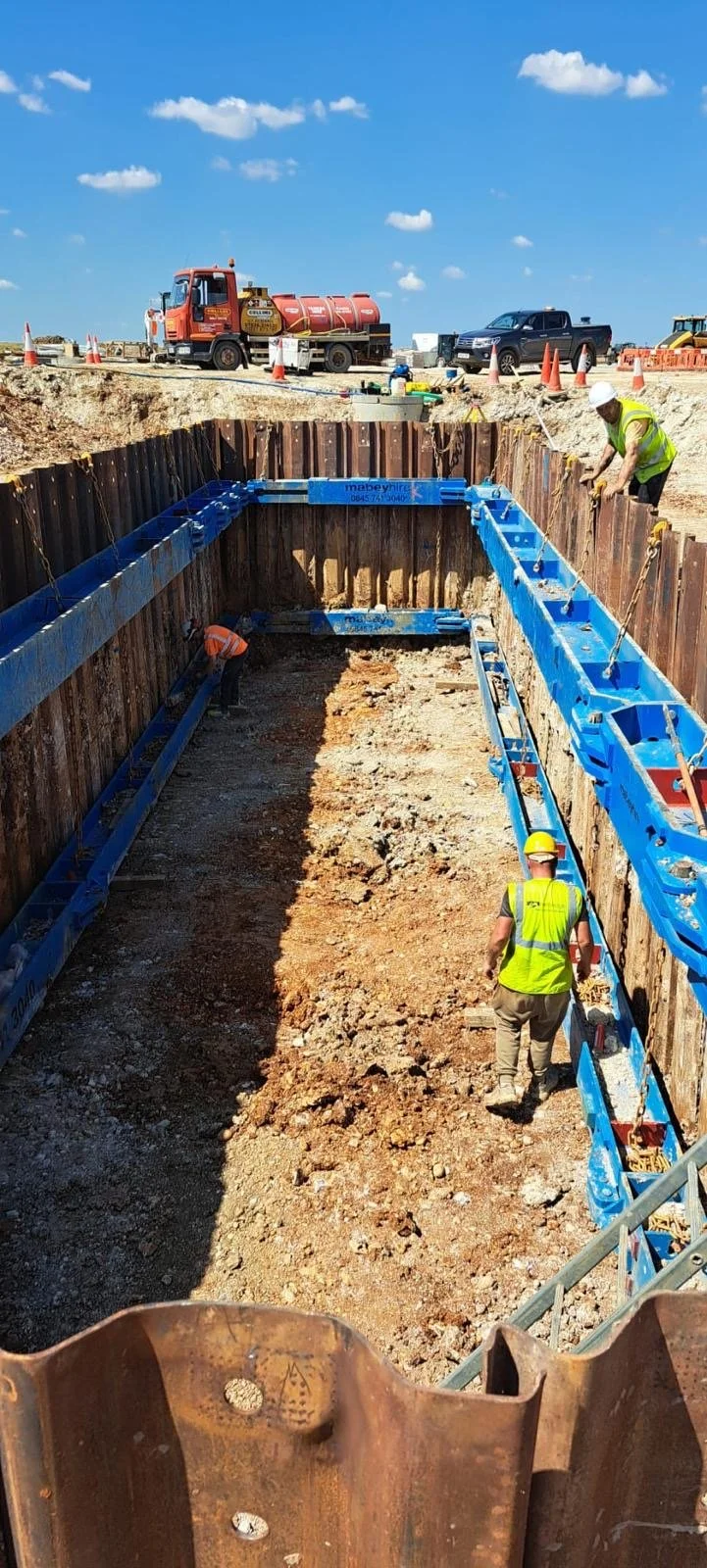
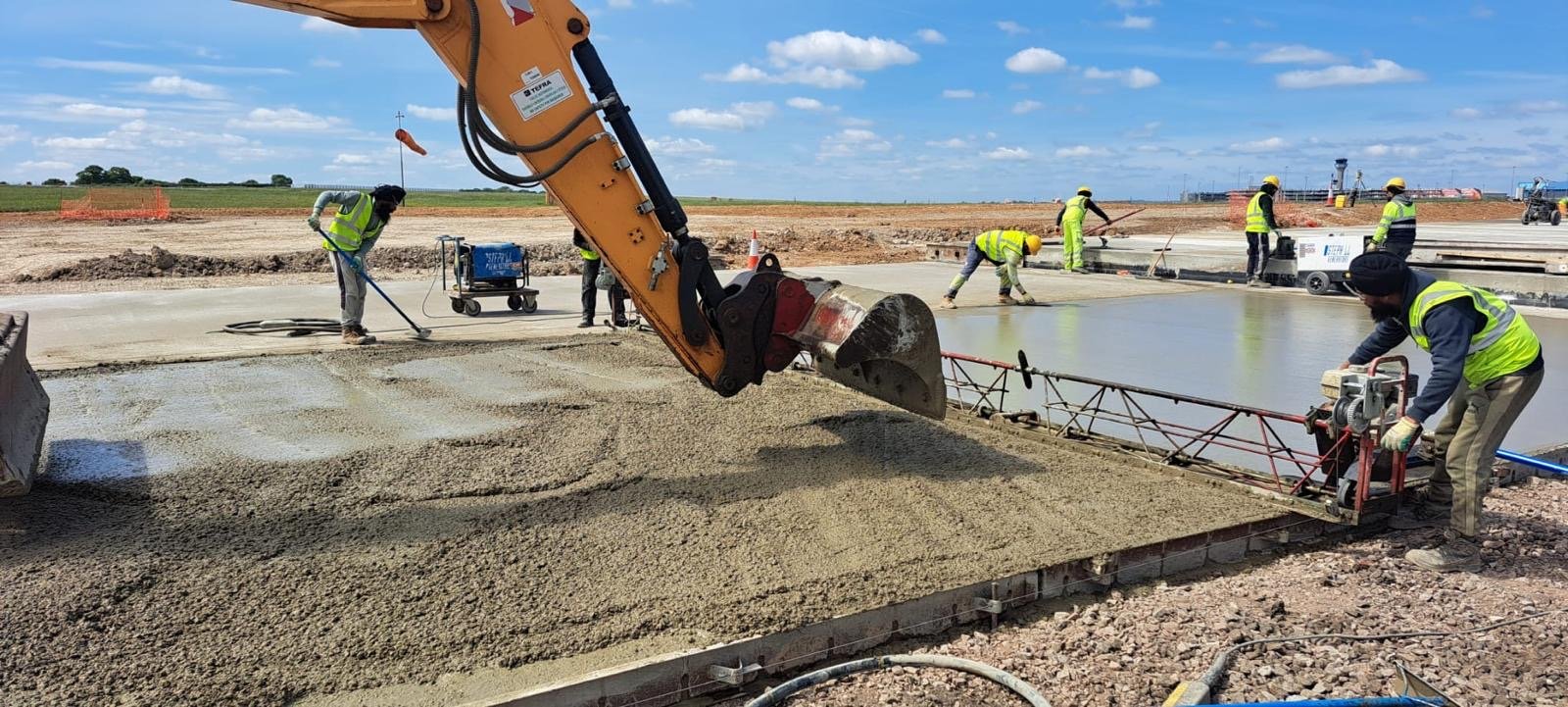
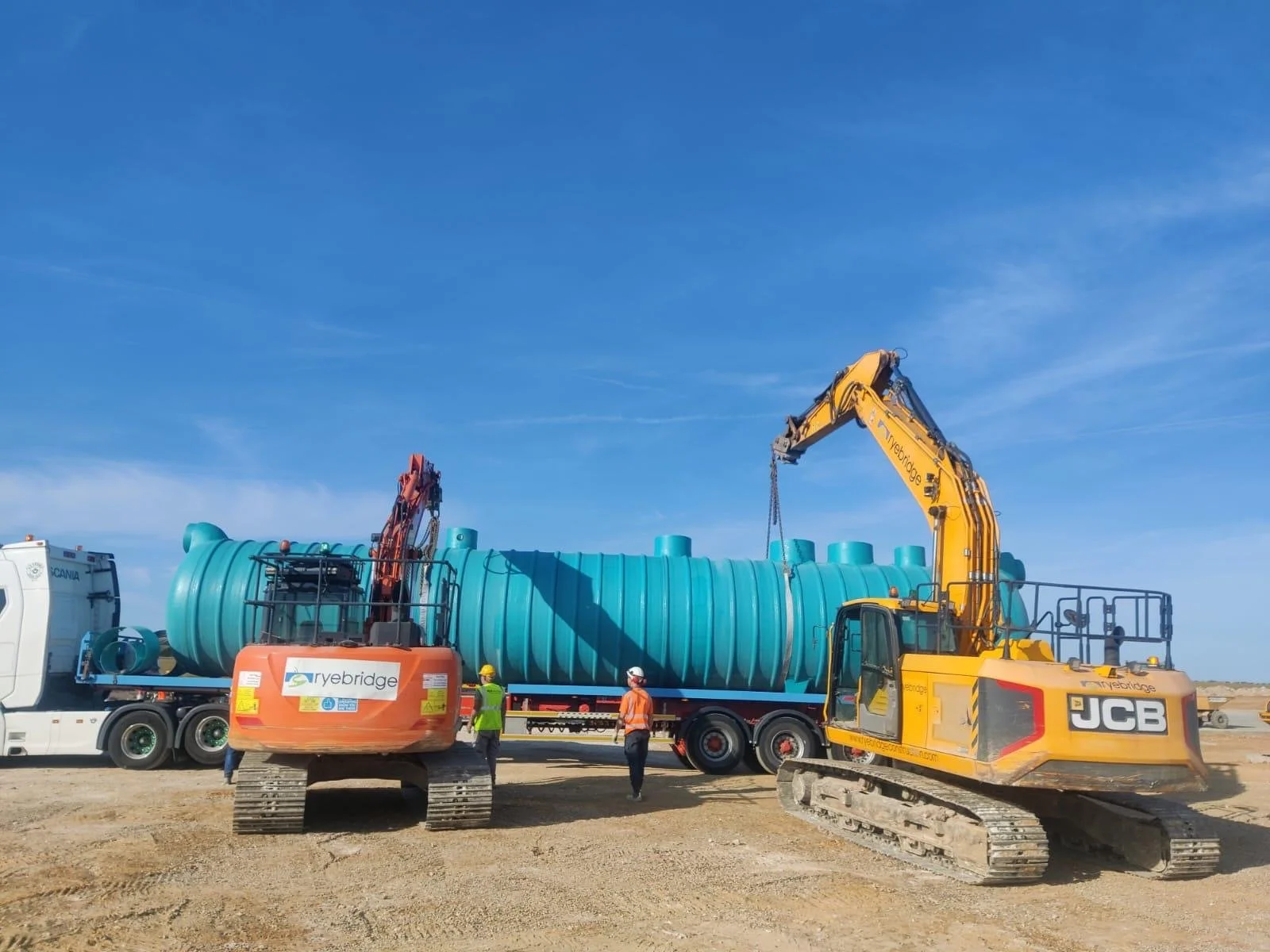
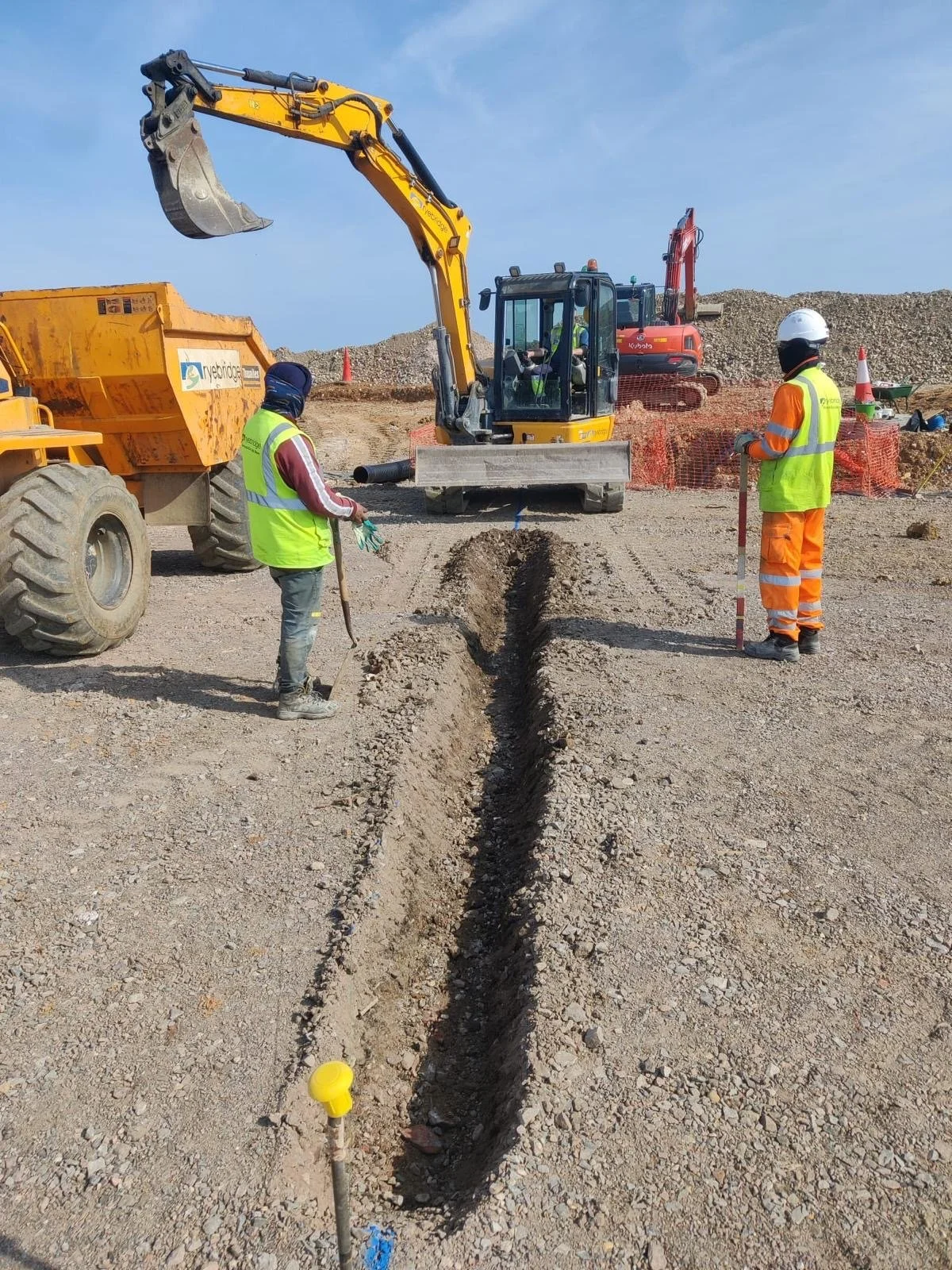
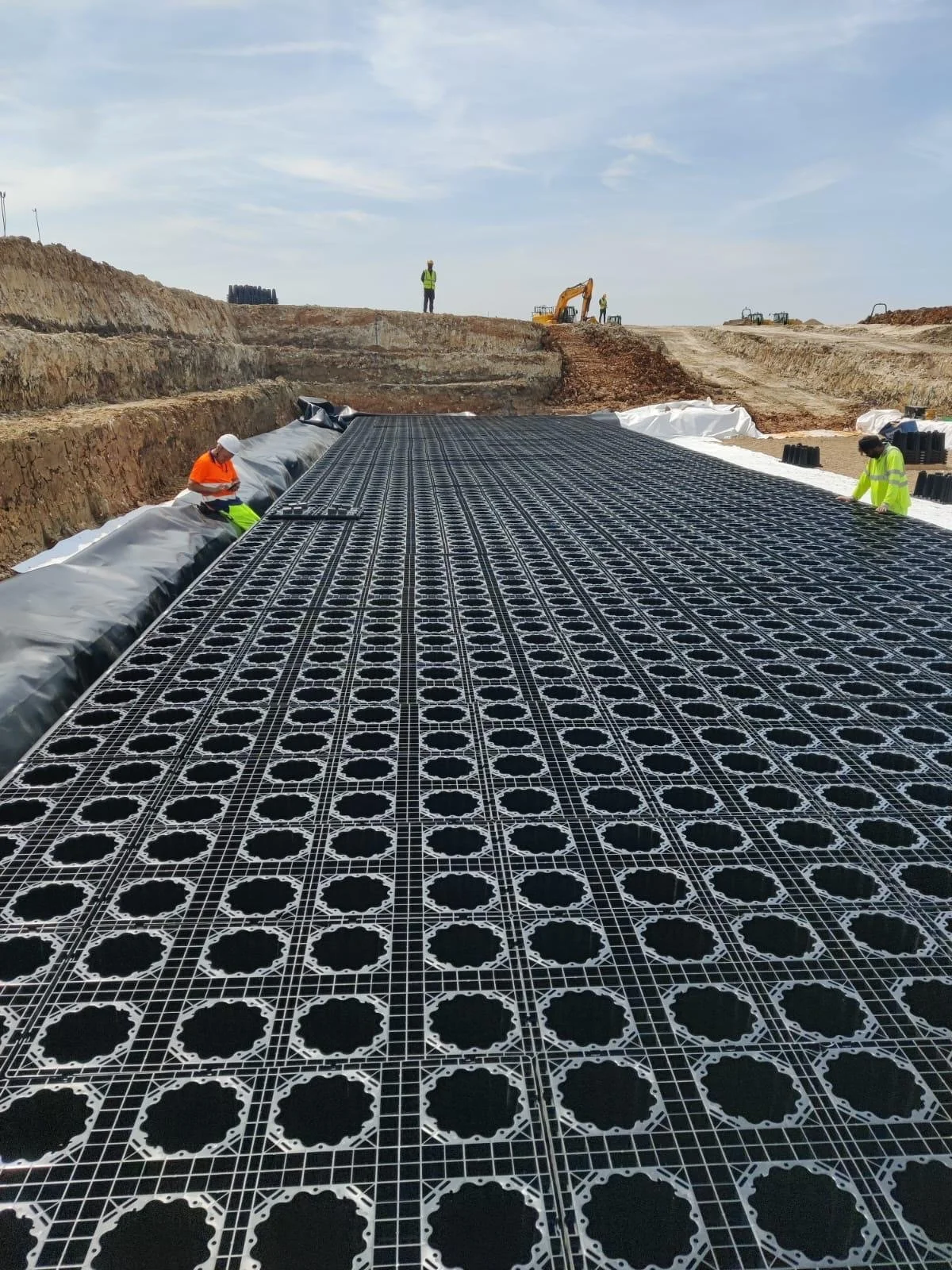
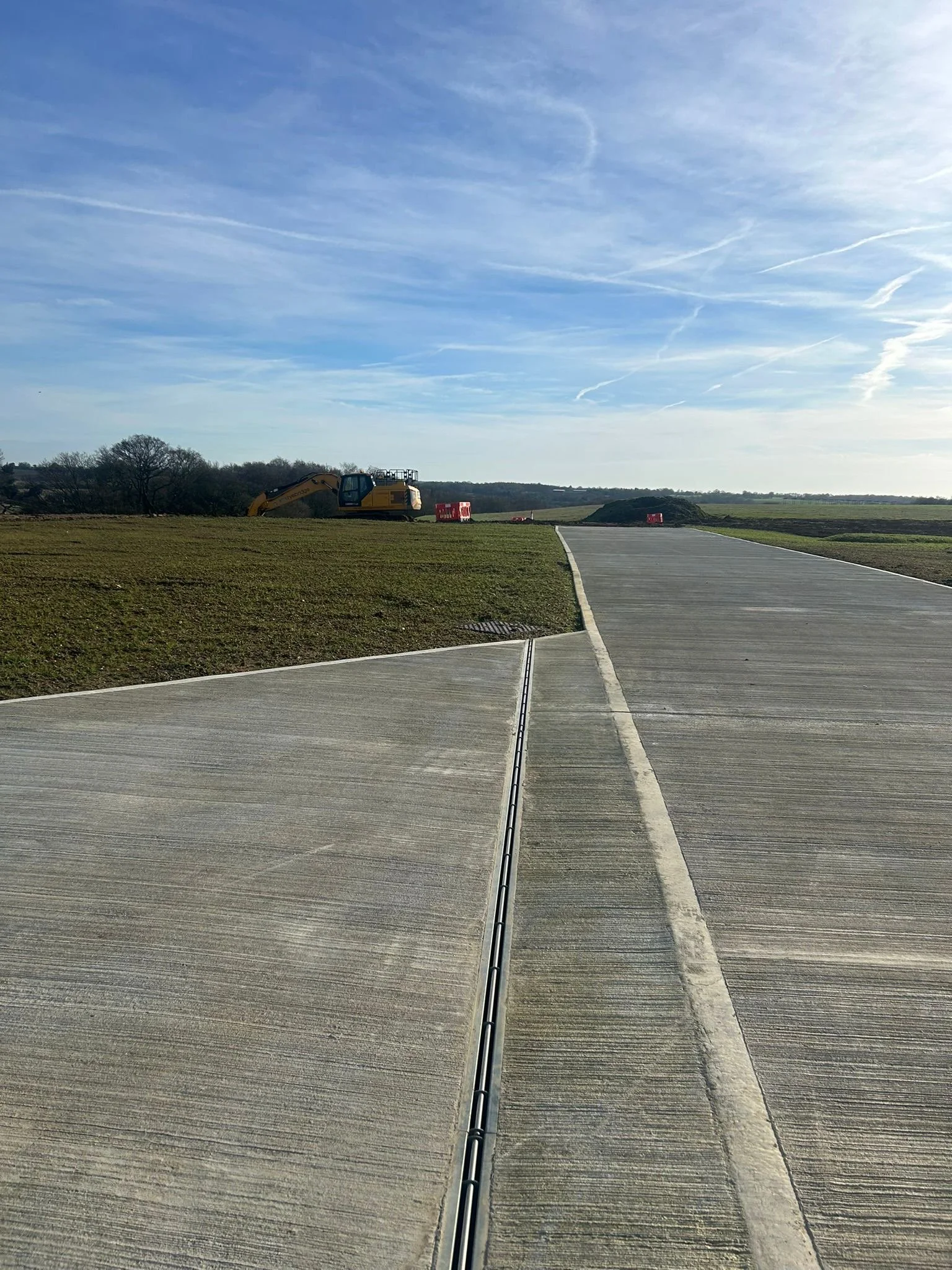
The scope of work included bulk earthworks to the existing ground profile and the regrading of slopes to accommodate the taxiway, the installation of a below-ground drainage system and attenuation tank, the construction of the taxiway pavement, and the provision of new AGL lighting, signage and lining.
The new taxiway extension ties into the runway at the 250-degree heading end which is used for take-offs and landings in that particular direction. The tie-in was approved to take place at the same time as the runway resurfacing project at the airport, with work taking place on nights between November 2025 and January 2026.
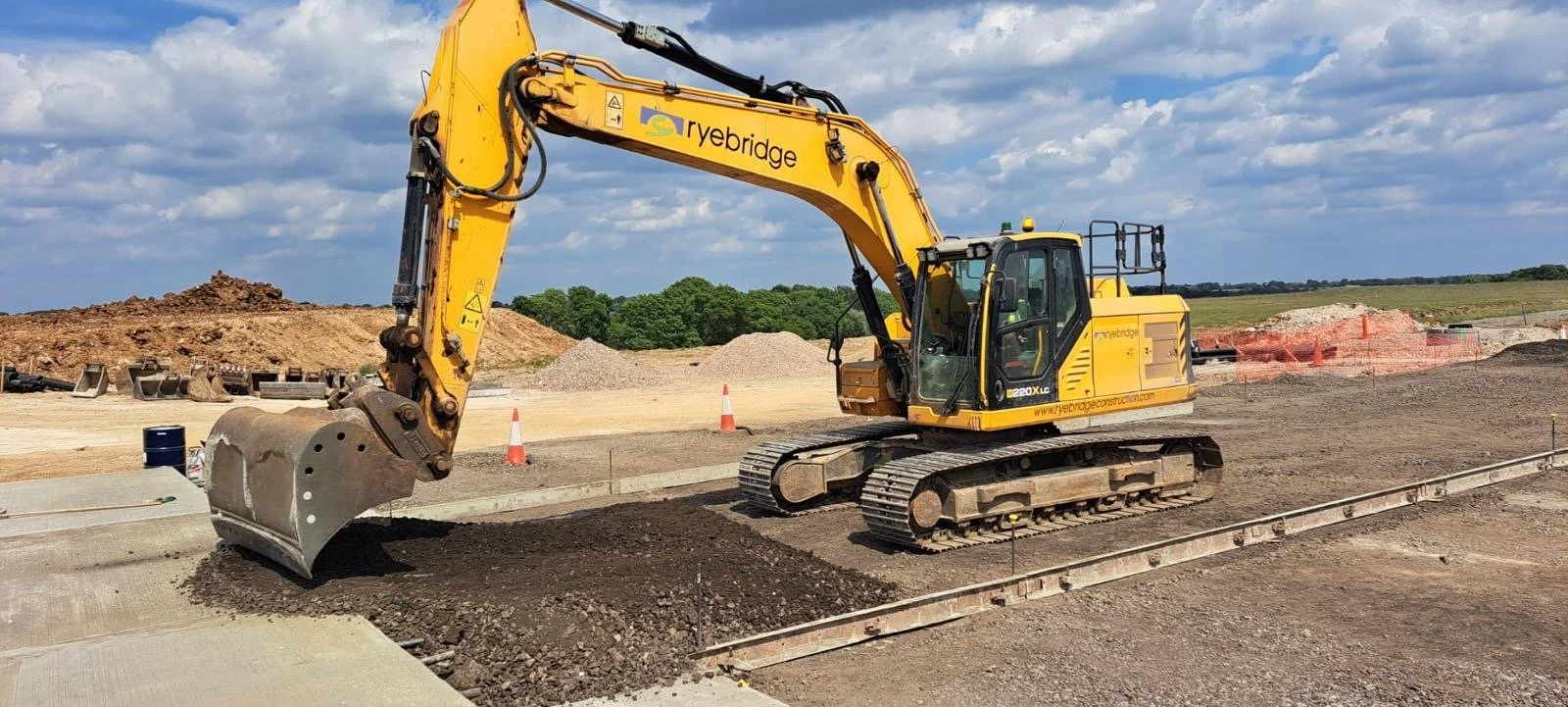
The sheer scale of the project was impressive in itself, and involved various materials including 2,550m3 of pavement quality concrete and 1,450m3 of wetlean concrete – a total of 4,000m3. In addition, there was 1,825 tonnes of Tarmac and 6,500 tonnes of Type 1 sub-base used.
Ryebridge managing director Sean Scully said: “This was one of the biggest projects we have completed at the airport in recent years, and its success is testament to the meticulous work carried out by our dedicated LLA team of operatives.”
Taxiway opening images courtesy of Leo Hiller Construction.